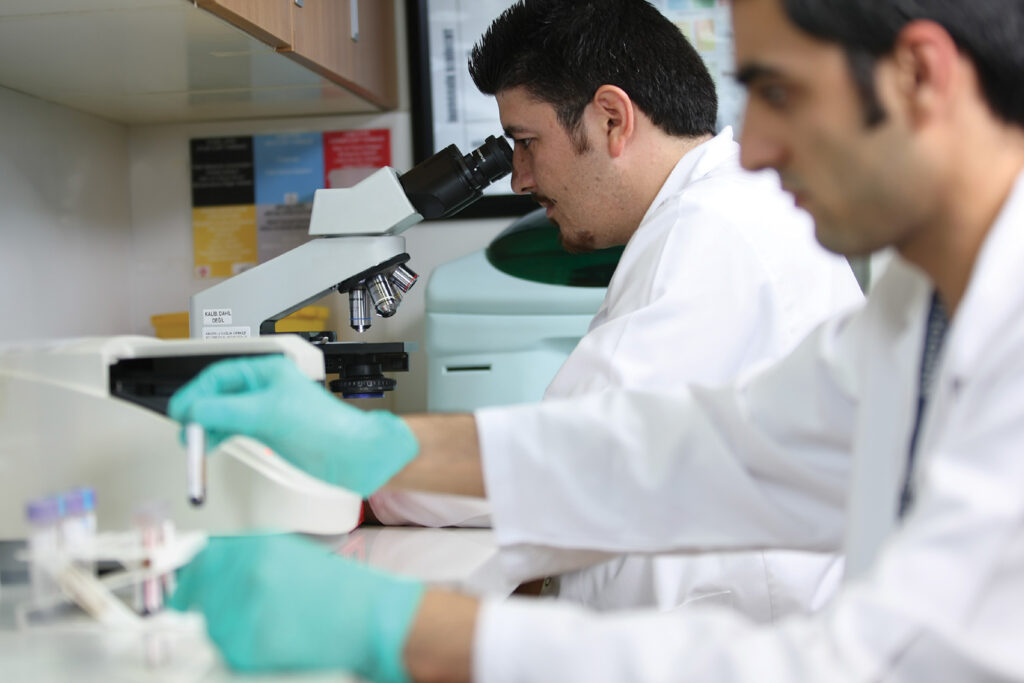
One of Europe's Largest BMT Centers

One of the Largest Bone Marrow Transplantation Centers in Europe

More than 3,500 bone marrow and stem cell transplants performed at Anadolu Medical Center — in academic affiliation with Johns Hopkins Medicine. Led by Prof. Zafer Gülbaş, M.D., with patients welcomed from over 40 countries.

Newsweek World's Best Hospitals
Affiliated with Johns Hopkins Medicine
3,500+ Transplants Performed
Patients from 40+ Countries
About Anadolu Medical Center

World-Class Care, Trusted Across 65+ Countries

Our bone marrow transplant program is part of Anadolu Medical Center — a JCI-accredited hospital in academic affiliation with Johns Hopkins Medicine, welcoming patients from around the world to its comprehensive cancer center.
400+Beds across two campuses
65+Countries served
JCIInternationally accredited
Planetree Person-Centered CarePlanetree Person-Centered Care
OECI Cancer CenterOECI Cancer Center
JCI AccreditedJCI Accredited
ESMO Designated CentreESMO Designated Centre
Heart of Health TürkiyeHeart of Health Türkiye
Newsweek World's Best HospitalsNewsweek World's Best Hospitals
About the Center

A Bone Marrow Transplant Center Built for Complex Cases

The Bone Marrow Transplantation Department at Anadolu Medical Center is one of the largest of its kind in Europe — combining high volume, full in-house laboratories, and an internationally trained team under one roof.

More than 250 transplants are performed at the center every year, and more than 3,500 transplants have been performed to date. Operating in academic affiliation with Johns Hopkins Medicine (USA), the department brings together every diagnostic and treatment capability a transplant patient needs — from HLA tissue typing to stem cell cryopreservation — within a single, coordinated program.

Affiliated with Johns Hopkins Medicine

Anadolu Medical Center operates in academic affiliation with Johns Hopkins Medicine, USA — aligning protocols, quality standards, and second opinions with one of the world's leading academic health systems.

One of Europe's Highest-Volume Programs

Over 3,500 transplants performed and more than 250 each year. High volume is consistently linked to better outcomes and deeper experience with difficult cases.

Every Laboratory Under One Roof

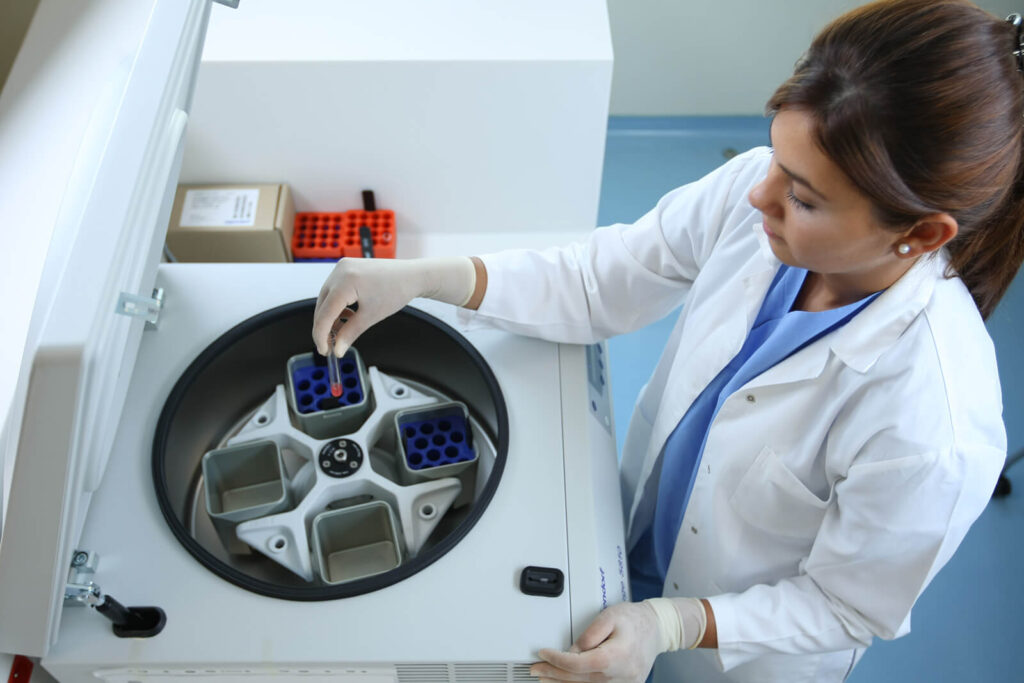
HLA tissue typing, flow cytometry, molecular hematology, PCR, hemapheresis and stem cell cryopreservation are all in-house — removing delays and external dependencies.

All Transplant Types Performed

Autologous, allogeneic (matched related and unrelated donor) and haploidentical half-matched transplants — so nearly every patient can find a path to treatment.

3,500+
Transplants Performed
250+
Transplants Every Year
40+
Countries of Origin
60+
Dedicated Staff

What the Department Includes

  • Flow Cytometry & Molecular Hematology Laboratory
  • HLA Tissue Typing Laboratory
  • PCR Laboratory
  • Outpatient Clinic with 22 separate rooms
  • Hemapheresis Laboratory
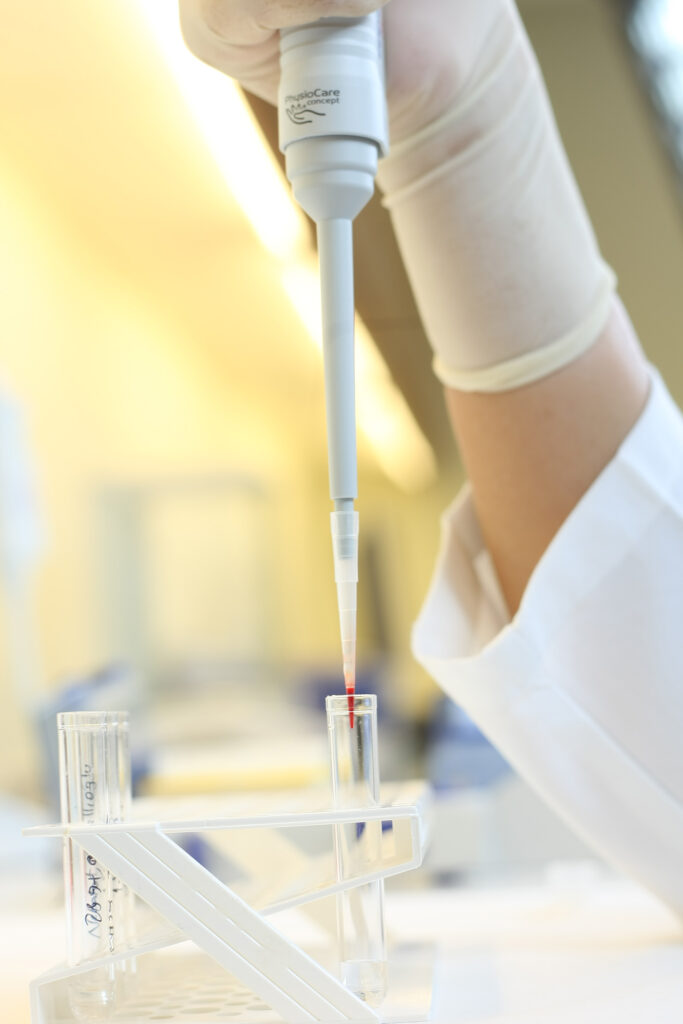
  • Cryopreservation & Stem Cell Processing Laboratory

A Dedicated Multidisciplinary Team

More than 60 specialists work exclusively within the bone marrow transplantation program.
6
Physicians
4
Biologists
32
Transplant Unit Nurses
3
Apheresis Nurses
2
Case Managers
2
Financial Counselors
Leadership

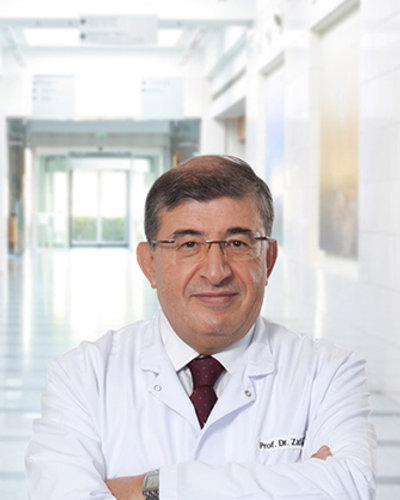
Led by Prof. Zafer Gülbaş, M.D.

Prof. Zafer Gülbaş, M.D.
Head of Bone Marrow Transplantation & Hematology
40+ years of clinical experience
View Full CV

Prof. Zafer Gülbaş is an internationally acclaimed oncohematology specialist with more than 40 years of experience, having trained and worked at leading clinics across the United States, Canada and Israel. He leads the bone marrow transplantation program at Anadolu Medical Center.

His clinical and research career spans some of the world's foremost cancer institutions, including the Fred Hutchinson Cancer Research Center and M.D. Anderson Cancer Center in the USA and Princess Margaret Hospital at the University of Toronto in Canada — experience he brings directly to the bedside of every transplant patient.

Education & Career

  • Hacettepe University School of Medicine, Turkey
  • Anadolu University School of Medicine, Turkey
  • Atatürk Pulmonary Diseases & Thoracic Surgery Center
  • Hadassah University Medical Center, Israel
  • Fred Hutchinson Cancer Research Center, USA
  • Washington University Laboratory, USA
  • M.D. Anderson Cancer Center, USA
  • Princess Margaret Hospital, University of Toronto, Canada

Areas of Expertise

  • Treatment of malignant hematological diseases
  • Bone marrow transplantation
  • Platelet function
  • Flow cytometry
  • Blood bank
Types of Transplants

Every Type of Transplant, Under One Roof

Because the center performs autologous, allogeneic, and haploidentical transplants, the team can match the right approach to each patient's disease and donor situation.

Autologous

The patient is their own donor. Healthy stem cells are collected, stored, and returned after high-dose therapy — typically performed during remission or when the disease has not spread to other organs.

Allogeneic — Matched Related

Stem cells come from a tissue-matched family member, usually a first-degree relative such as a sibling. A donated immune system can help fight residual disease.

Allogeneic — Unrelated Donor

When no relative is a match, the most compatible donor is identified through Turkish and international donor banks — opening treatment to patients without a family match.

Haploidentical (Half-Matched)

A half-matched family donor — a parent or child — makes transplantation possible for almost every patient, even when no fully matched donor can be found.

Diseases We Treat

Conditions Treated with Bone Marrow Transplantation

Bone marrow and stem cell transplantation can be curative for a wide range of blood cancers and disorders. The center treats both common and rare indications.

Acute Myeloblastic Leukemia (AML)
Acute Lymphoblastic Leukemia (ALL)
Non-Hodgkin's Lymphoma
Hodgkin's Lymphoma
Multiple Myeloma
Myelodysplastic Syndrome (MDS)
Chronic Myeloid Leukemia (CML)
Chronic Lymphocytic Leukemia (CLL)
Aplastic Anemia
Paroxysmal Nocturnal Hemoglobinuria
Primary Amyloidosis
Solid tumors (testicular, ovarian)
Selected autoimmune diseases

If your diagnosis is not listed, send us your reports — our specialists will review your case and advise whether transplantation is an option.

The Process

Your Transplant Journey, Step by Step

From the first review of your reports to long-term follow-up, every stage is planned and coordinated by a dedicated team.

  1. 1

    Initial Assessment

    Your medical records are reviewed and your condition is evaluated by the transplant team to confirm whether transplantation is the right option.

  2. 2

    Treatment Planning

    A personalized plan is built around your diagnosis, disease stage and donor situation, with a clear roadmap and cost estimate.

  3. 3

    Preparation for Transplantation

    Pre-transplant work-up, donor selection and HLA matching, and all required diagnostics are completed in-house.

  4. 4

    Pre-Transplant Conditioning

    High-dose chemotherapy and/or radiation therapy is given over roughly one week to prepare the bone marrow to receive healthy stem cells.

  5. 5

    Stem Cell Transplantation

    Healthy stem cells — your own or a donor's — are infused so they can settle in the bone marrow and begin producing new, healthy blood cells.

  6. 6

    Engraftment Period

    Under close monitoring in a protected unit, the new stem cells start to function, usually 2–4 weeks after transplantation.

  7. 7

    Recovery After Engraftment

    The care team manages recovery, supports immune rebuilding and treats any complications as blood counts return to normal.

  8. 8

    Long-Term Follow-Up

    After you return home, recovery is followed through teleconferences between your local doctors and our specialists.

International Patients

Everything Arranged for International Patients

From your first message to your return home, a dedicated international team removes the logistics so you can focus on treatment.

Free Second Opinion in 48 Hours

Send your reports and receive a free medical second opinion from our doctors within 48 hours.

24/7 Care Coordination

A personal coordinator is reachable around the clock throughout your treatment journey.

Free Translation Services

Professional medical translation is provided free of charge during all treatment processes.

Free Airport Transfers

Complimentary transfers to and from the airport for you and your companion.

Travel, Stay & Visa Assistance

Help organizing flights, accommodation and obtaining the necessary visa.

Diagnostics & Treatment Scheduling

Appointments for diagnostics and treatments are organized and sequenced for you.

Follow-Up After You Return Home

Your recovery continues to be monitored after you travel back to your country.

Doctor-to-Doctor Teleconferences

Teleconferences between your local doctors and our specialists keep everyone aligned.

Patient Stories

Patients from Around the World

Every year, patients from more than 40 countries choose Anadolu Medical Center for their bone marrow transplant.

★★★★★

Dr. Zafer Gülbaş was my doctor and performed my bone marrow transplant. Thank God the procedure was successful. Anadolu has excellent medical services and professional staff — doctors, nurses and translators. I thank all of them for their professional approach.

H
Halima Zayani
Libya · Bone marrow transplant patient, age 22
★★★★★

From the first email to my discharge, a coordinator guided every step — translation, transfers and scheduling were all handled. I never felt alone in a foreign country during the hardest months of my life.

A
A. K.
Romania · Allogeneic transplant patient
★★★★★

We came after a second opinion that gave us a real plan within days. The team explained every stage clearly and stayed in touch with our doctors back home after we returned.

S
S. M.
Iraq · Family of an autologous transplant patient

Halima Zayani's story is shared with her consent. Additional experiences are representative; verified references are available on request.

Blog & Resources

Insights on Blood Cancers & Transplantation

Clear, expert-reviewed articles on leukemia, lymphoma, myeloma, MDS and the role of bone marrow transplantation.
FAQ

Bone Marrow Transplantation — Frequently Asked Questions

Clear answers to the questions patients and families ask most about bone marrow and stem cell transplantation.

What are bone marrow and hematopoietic stem cells?
Bone marrow is a soft, spongy tissue inside the bone that contains hematopoietic stem cells. These cells divide to form additional stem cells or develop into red blood cells, white blood cells and platelets. Most reside in the bone marrow, though small numbers exist in cord blood and peripheral (circulating) blood. Any of these sources may provide cells for transplantation.
What is bone marrow transplantation?
Bone marrow or peripheral blood stem cell transplantation is a treatment that uses high doses of chemotherapy and/or radiation therapy to suppress damaged stem cells, and then replaces them with healthy ones so the body can rebuild a healthy blood and immune system.
What are the different types of bone marrow transplantation?
There are three main types: autologous, using the patient's own stem cells; syngeneic, using cells from an identical twin; and allogeneic, using cells from a sibling, parent or a compatible unrelated donor.
How is bone marrow transplantation performed?
First, the patient receives pre-transplant treatment — high-dose chemotherapy and/or high-intensity radiation therapy — lasting approximately one week. Healthy stem cells, collected beforehand, are then infused so that the bone marrow can recover and begin producing healthy blood cells again.
What are the risks of autologous transplantation?
During stem cell collection there is a risk that pathological (diseased) cells may be gathered along with healthy ones. If such cells are included in the graft and returned to the patient, the disease can relapse. Careful processing aims to minimize this risk.
What are the risks of allogeneic transplantation?
Receiving a donor's immune system has real advantages, but incompatibility also carries risks. Graft-versus-host disease (GVHD) can occur when the donor's immunity attacks the recipient's tissues, potentially affecting the liver, skin, bone marrow and intestines. Close HLA matching and monitoring reduce this risk.
How do the donor's stem cells take root in the patient?
Doctors select stem cells that are as similar as possible to the patient's by analyzing HLA antigen compatibility — proteins found on the surface of cells. The higher the compatibility, the greater the chance of successful engraftment and the lower the risk of graft-versus-host disease.
Who can become a bone marrow donor?
Close relatives, especially siblings, are the primary candidates. However, only 25–35% of patients have a fully HLA-matched related donor. When no relative matches, an unrelated donor is sought through Turkish and international donor banks, which typically takes about 1.5–2 months. Identical twins are ideal donors but are rare.
How are stem cells collected from the bone marrow?
Using a special needle, stem cells are taken from the bone marrow of the pelvic bone under local anesthesia or sedation, in a procedure lasting about one hour. The material is processed, preservatives are added if needed, and it is then frozen via cryopreservation for storage until transplantation.
How are peripheral blood stem cells obtained?
Donors receive special medication for 4–5 days to increase the number of stem cells circulating in the blood. Blood is then collected through apheresis (leukapheresis) from arm veins or a central venous catheter — typically over 4–6 hours — after which the blood is returned and the stem cells are frozen for later transplantation.
Are there any risks associated with bone marrow collection?
Usually, bone marrow sampling does not cause problems for the donor, since the amount of tissue extracted is very small. Anesthetic-related complications may occasionally occur. Mild swelling and hardening at the site may persist for several days, and fatigue is common. Recovery typically takes a few weeks, though timelines vary from person to person.
Are there any risks for peripheral blood stem cell donors?
Apheresis usually does not cause serious discomfort. Donors may experience slight weakness, trembling or lip numbness. The medications used to release stem cells can cause bone or muscle pain, headaches, fatigue, nausea, vomiting or sleep problems, which typically resolve 2–3 days after the medication is finished.
What happens to the patient after a stem cell transplant?
The transplanted stem cells settle in the bone marrow and begin producing blood cells — usually starting to function 2–4 weeks after transplantation. Doctors monitor recovery with blood tests. Full immune recovery takes several months for autologous transplants and 1–2 years for allogeneic or syngeneic transplants.
What are the possible side effects of pre-transplant treatment?
The main risks are an increased susceptibility to infection and bleeding, caused by the high-dose therapy. Doctors may prescribe preventive antibiotics and platelet transfusions to reduce bleeding risk, and red blood cell transfusions to treat anemia.
What are the possible side effects of bone marrow transplantation?
Short-term effects can include nausea, vomiting, fatigue, loss of appetite, mouth ulcers, hair loss and skin reactions. Longer-term complications of the pre-transplant therapy may include infertility, cataracts, secondary cancers, and damage to the liver, kidneys, lungs or heart. Severity depends on the treatment used and individual patient factors.
What is a mini-transplant?
A mini-transplant is a type of allogeneic transplantation, also called non-myeloablative or reduced-intensity transplantation. Lower-dose chemotherapy and low-intensity radiation only partially destroy the patient's bone marrow while suppressing immune rejection. Donor and patient cells coexist for a time, and the donor cells trigger a graft-versus-tumor effect that helps eliminate surviving diseased cells. Donor lymphocyte infusions may enhance this effect, and the approach is studied across various oncohematological malignancies.
Free Second Opinion

Get a Free Medical Second Opinion in 48 Hours

Send your diagnosis and medical reports. Prof. Zafer Gülbaş and the transplant team will review your case and respond — free of charge — within 48 hours.

Max. total size: 20 MB. Optional. Pathology, blood counts, imaging and discharge reports help our doctors review faster. You can also send them later via WhatsApp.

Your information is used only to prepare your medical opinion and is never shared with third parties.

This site is protected by reCAPTCHA and the Google Privacy Policy and Terms of Service apply.